
Pet Power

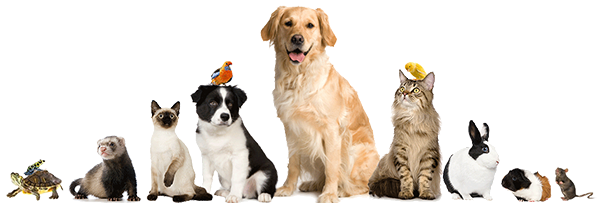
Pets and their affection can be an important part to a healthy lifestyle. Taking care of pets teaches responsibility and maturity, in addition to creating a personal connection between yourself and your new furry friend. This week, we learn how to care for pets at home and how the bond can benefit the mind and body while teaching responsibility.


Featuring…

For centuries, people have found love and companionship in animals. Pet owners give so much to their animals, and they receive endless love, affection, and more in return. This short YouTube video, by the popular channel Psych2Go, explains how there's many benefits to establishing a bond with your pet(s), including reduced anxiety and depression, as well as encouragement to be more active.  


We know about the mental health benefits of having a pet in your life, but what about the physical benefits? This 2012 article on animal-related health benefits, from animalhealthfoundation.org shows that there are real physical benefits to bonding with your pet. Benefits like reduced blood pressure, lower stroke risk, and better moods are all attributed to pet ownership.


Our final resource for this week is a list of 21 activities for all the dog owners out there. Dog-friendly activities provide physical and mental stimulation for pet dogs and help strengthen your bond. On care.com, there's an article listing a bunch of unique activities to do with your pet dog. These activities provide several benefits for owner and pet alike.


Do you have any pets? If so, are there any activities that you like to do with them? Let us know in the comments below! 


Resources...

Link to SPAN's website: www.spanadvocacy.org
Link to SPAN's Youth in the Know Resource Page: Youth in the Know
We're here for you! Call SPAN if you need assistance: 1-800-654-7726

Comments

Popular posts from this blog

Building Your Circle: Helping Youth Discover Their Support Networks

Having a personal support network is important for dealing with challenges and working toward your goals. Whether you are in school, starting your career, or living with a disability, it helps to have people you can count on. These networks do not appear on their own—you build them by talking with others, staying connected, and building trust. Learning what a support network is, and why it matters, is the first step.  

Rutgers RWJMS Seeks Children and Young Adult Participants in Long COVID Study

RECOVER is a research project that aims to learn about the long-term health effects of COVID. Rutgers Robert Wood Johnson Medical School (RWJMS) has been awarded a $30 million+ grant from the NIH to help lead a study on the long-term and delayed impacts of COVID-19 in children and young adults. This study is designed to answer these questions: -How many children get Long COVID? -Why do some children get Long COVID and others do not? -What symptoms do children feel when they get Long COVID? -How long do children feel sick when they get Long COVID? -What causes Long COVID to happen in children? -How does having Long COVID affect children's physical and mental health and development as they grow? Eligible subjects include infants, children, adolescents, and young adults through 25 years of age. Infection with COVID is not necessary to participate. The study's first phase includes a home questionnaire and blood and saliva samples provided from the comfort of your h...

Next-Gen Voices: Using A.I. to Strengthen Self-Advocacy, featuring No Hate In The Garden State

The use of A.I (Artificial Intelligence) programs, like ChatGPT and Gemini, has sparked debates and discussions about it’s use in our daily lives. While A.I can be used in negative ways, there are many opportunities for youth and young adults to use it as a tool for self-advocacy and self-improvement.